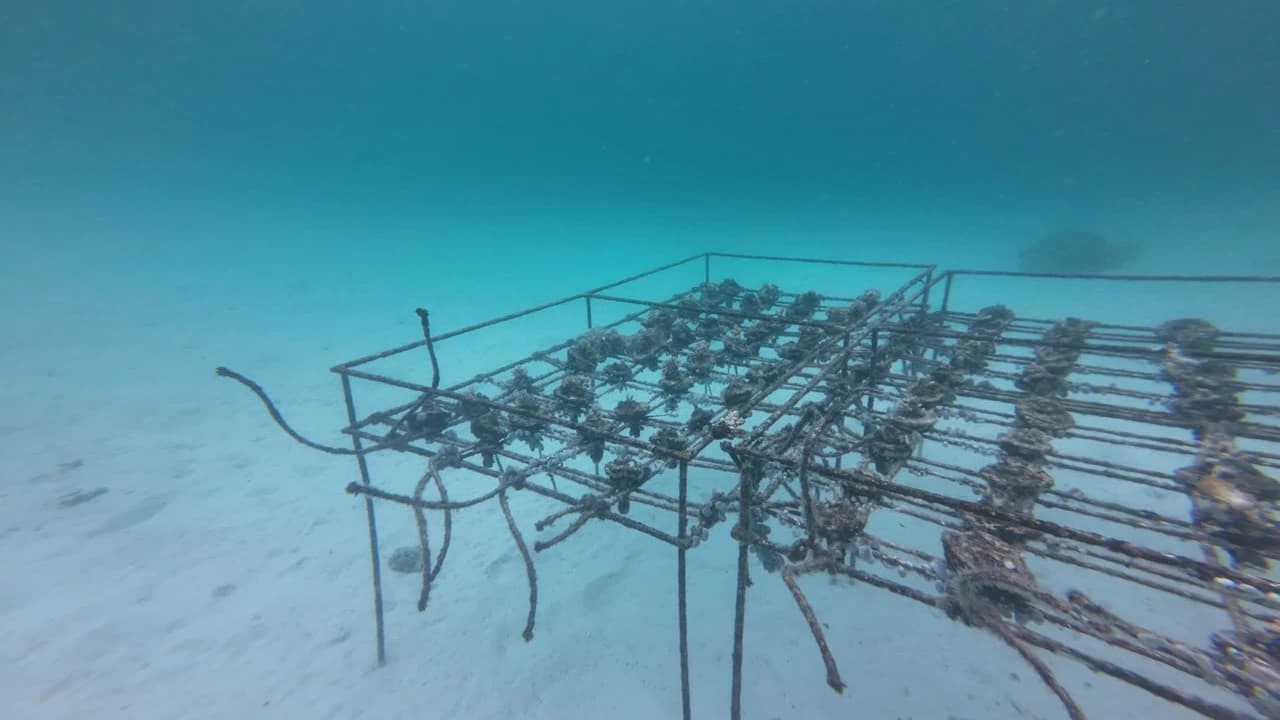
Coral reef restoration is far more than securing coral fragments onto the seabed. A responsible, science-backed program begins with thorough site assessment, high-quality donor fragments, appropriate substrate structures, disciplined maintenance schedules, and long-term data that enables continuous methodological refinement.
AAY restoration footprint across three coastal zones in Aceh
Aceh Aquatic Youth has recorded the cumulative planting of over 3,000 coral fragments across Pulau Tuan, Pulau Rubiah, and Gapang Beach. Each of these three sites represents distinct marine conditions; operational decisions must adapt to local depth, current dynamics, substrate stability, tourism pressures, and specific maintenance requirements.
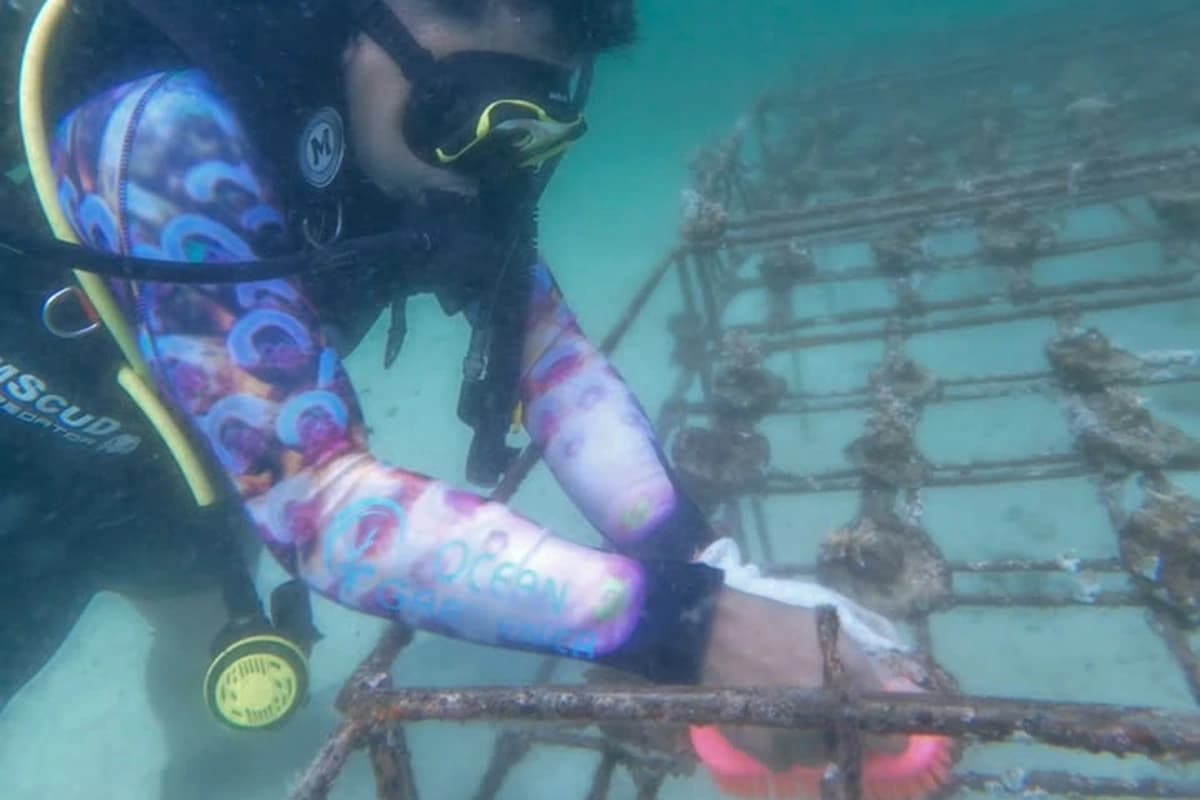
While planting numbers reflect the operational scale, true ecological success is measured by fragments that survive, exhibit healthy calcification, anchor firmly to their substrates, and provide structural habitat for reef fish and benthic biodiversity. Every installation must therefore be accompanied by systematic inspections, photo documentation, and structural repairs whenever disturbance occurs.
Coral nurseries as our foundational pillar since 2023
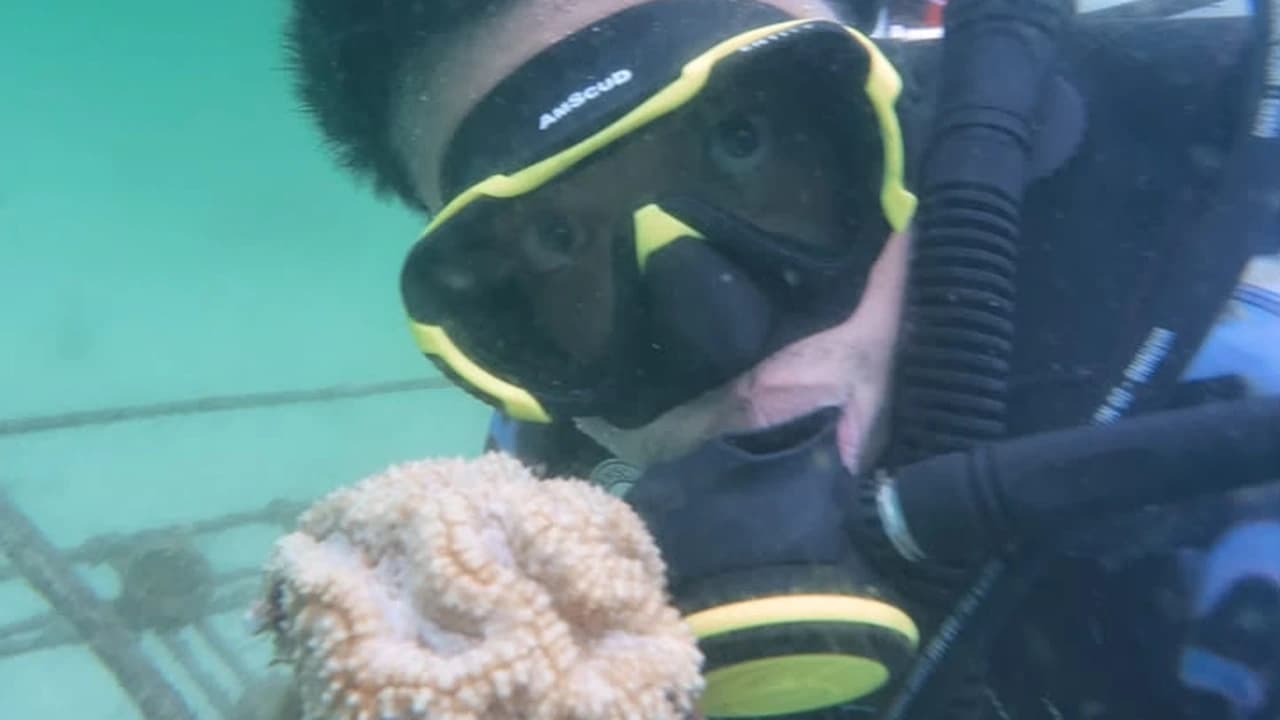
The development of coral nurseries initiated in 2023 provides a dedicated environment for fragments to convalesce and grow before being outplanted to degraded reef areas. Nurseries also serve as real-world learning laboratories: our team continuously evaluates species-specific growth rates, attachment techniques, structural positioning, and biofouling cleaning frequency under natural oceanic conditions.
This initial cultivation phase minimizes trial-and-error during larger-scale transplantation. Resilient, healthy fragments can be selected based on observed growth data, while vulnerable methods can be corrected early without jeopardizing natural reef zones.
- Documenting donor origin, species identification, and initial attachment dates.
- Monitoring tissue growth, survival rates, bleaching, disease, and physical damage.
- Clearing biofouling algae and tightening or replacing loose cable ties.
- Scheduling outplanting based on fragment vigor and recipient reef readiness.
The one-hectare restoration target at Gapang Beach
Our next strategic milestone is the restoration of one hectare of degraded seabed at Gapang Beach using engineered artificial substrates. This expansive goal is divided into phased operational zones to ensure diver safety, structural integrity, continuous maintenance, and rigorous monitoring remain fully manageable.
Artificial substrates serve as stable settlement media in areas where natural hard substrate is scarce or unstable. Structure design, material biocompatibility, spacing, and deployment depth must respect local seafloor topography without encroaching upon existing healthy natural coral. Crucially, active restoration must go hand-in-hand with minimizing local anthropogenic stressors such as boat anchoring, marine debris, and destructive human activities.
Success is measured long after planting day
Planting day marks only the beginning of a multi-year ecological cycle. AAY consistently tracks fragment survival rates, linear extension growth, substrate stability, coral tissue integrity, and the re-establishment of associated fish and benthic communities.
This data transforms the one-hectare target from a mere surface area metric into living, measurable conservation impact. Monitoring insights guide future site selection, determine the most resilient substrate designs, forecast maintenance budgets, and validate scalable methodologies for future phases.
Frequently asked questions
Where does AAY carry out coral reef restoration?
Our documented program sites include Pulau Tuan, Pulau Rubiah, and Gapang Beach in Aceh, Indonesia.
Why do corals need to be grown in a nursery first?
Nurseries allow our field team to nurture fragments, verify biological vigor, test substrate methods, and drastically reduce mortality risks before outplanting to degraded reef sites.
What does the one-hectare restoration target mean?
The target refers to the total marine zone designated for phased ecological restoration; it does not imply covering the entire seafloor uniformly with artificial structures.
Information basis
This article is synthesized from Aceh Aquatic Youth program summaries and field data. Operational metrics reflect specific monitoring periods and scopes.
- Program dataAceh Aquatic Youth Restoration Activity Summary, 2023-2026
- LocationsField survey logs for Pulau Tuan, Pulau Rubiah, and Gapang Beach
More conservation publications to explore
Turn ocean knowledge into lasting action.
Discover Aceh Aquatic Youth field initiatives and connect with us about responsible support, volunteering, research, or partnership opportunities.