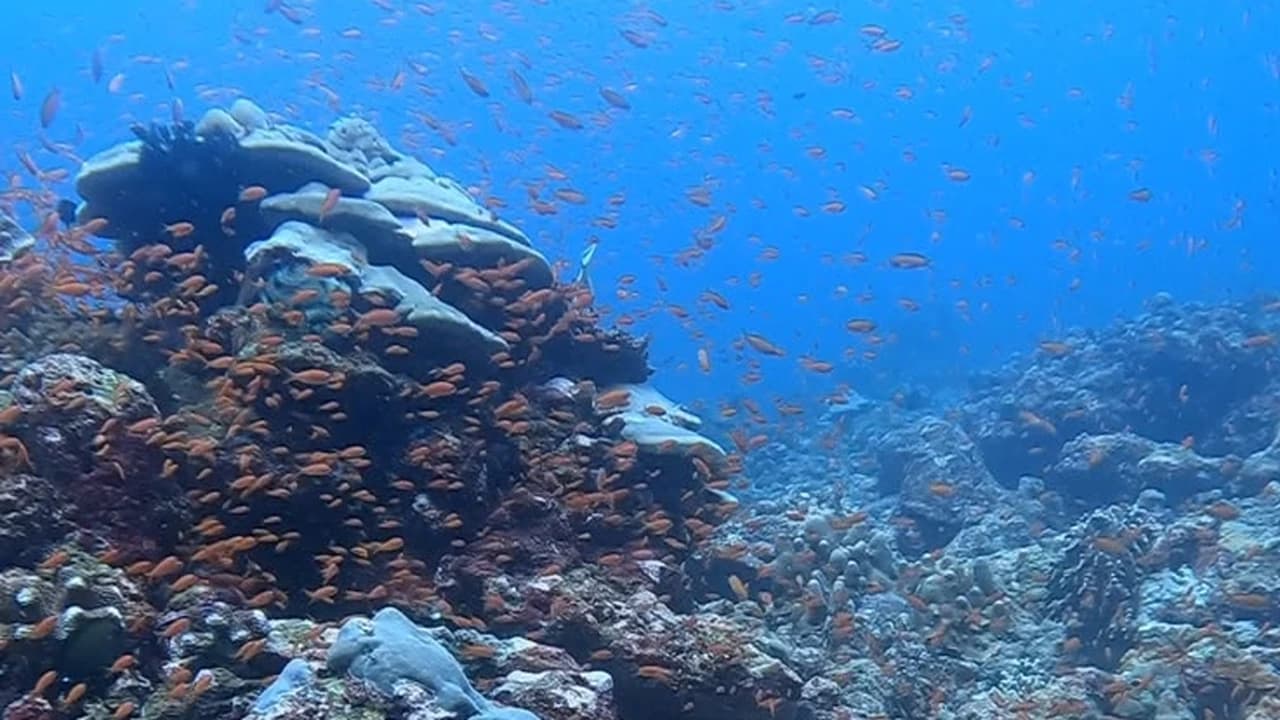
The waters of Sabang possess immense ecological richness and economic importance. At Gapang Beach and Pulau Rubiah, reef ecosystem health directly influences fish habitats, marine tourism experiences, and coastal community livelihoods tied to the sea.
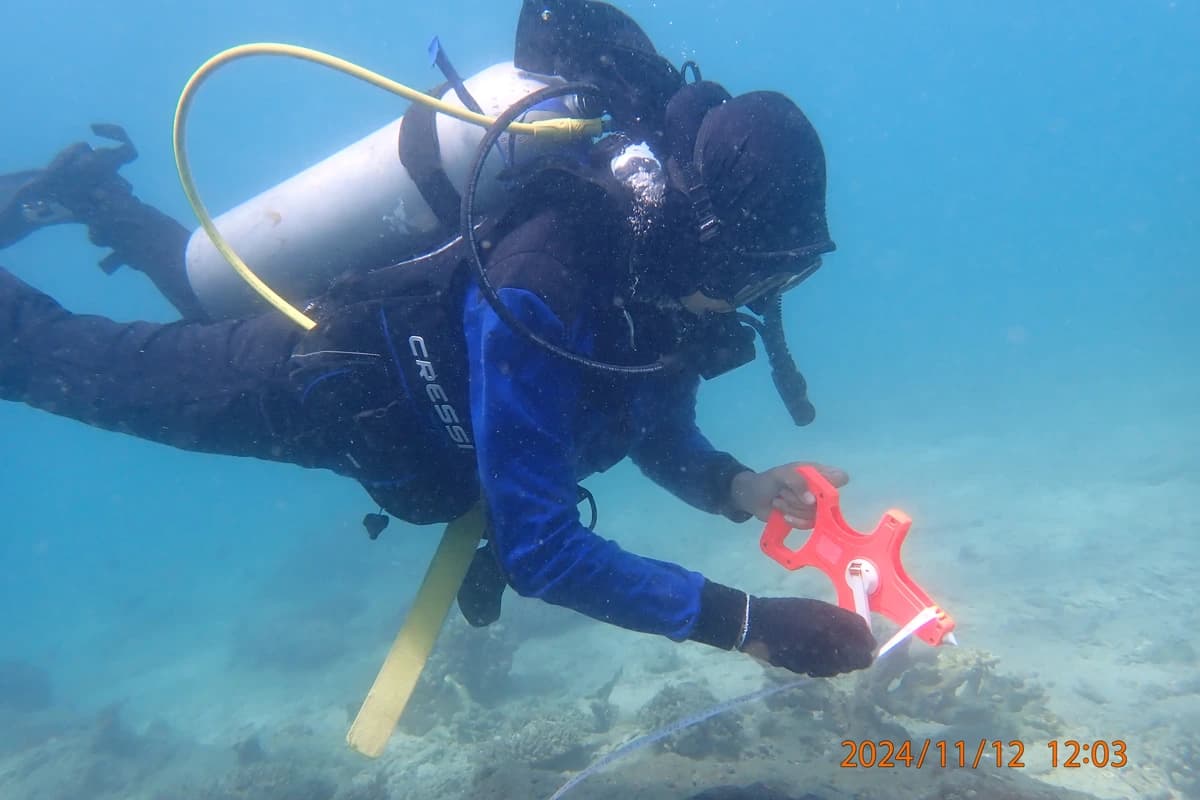
Two dedicated monitoring zones at Gapang Beach
Surveys were conducted across Project Area A (coordinates 5°51'17.73"N, 95°16'13.21"E) and Area B (5°51'14.07"N, 95°16'15.41"E). Precise GPS benchmarking is critical so subsequent monitoring rounds return to identical waypoints, ensuring data comparability across seasons.
Distinct zone logging also isolates habitat variability. Even neighboring reef patches can experience markedly different current exposures, depth profiles, bottom slopes, diver traffic, and substrate compositions.
What does 31.4% live coral cover signify?
The Underwater Photo Transect (UPT) method captures continuous photographic quadrats along a designated transect line to quantify benthic composition. In AAY’s monitoring sectors, live coral cover averaged 31.4%, placing it within the "fair" ecological category under standard Indonesian benthic assessment criteria.
A fair category indicates the ecosystem retains significant natural regenerative capacity, yet remains vulnerable to environmental decline if left unmanaged. A single percentage must always be interpreted alongside coral morphology, rubble ratios, turf algae coverage, disease prevalence, and temporal trends.
Reef fish as indicators of ecological function
The recorded presence of butterflyfish (Chaetodontidae), parrotfish (Scaridae), damselfish (Pomacentridae), and groupers (Serranidae) demonstrates that these reefs continue to provide trophic resources, shelter, and nursery grounds for ecologically diverse functional groups. Butterflyfish serve as direct indicators of live coral health, while herbivorous parrotfish play a pivotal role in controlling macroalgae overgrowth.
However, the presence of key fish groups does not instantly prove overall ecosystem stability. Abundance, biomass, size distribution, and demographic shifts must be systematically co-analyzed with benthic substrate data for a holistic diagnostic assessment.
Targeted ecological intervention, not uniform planting
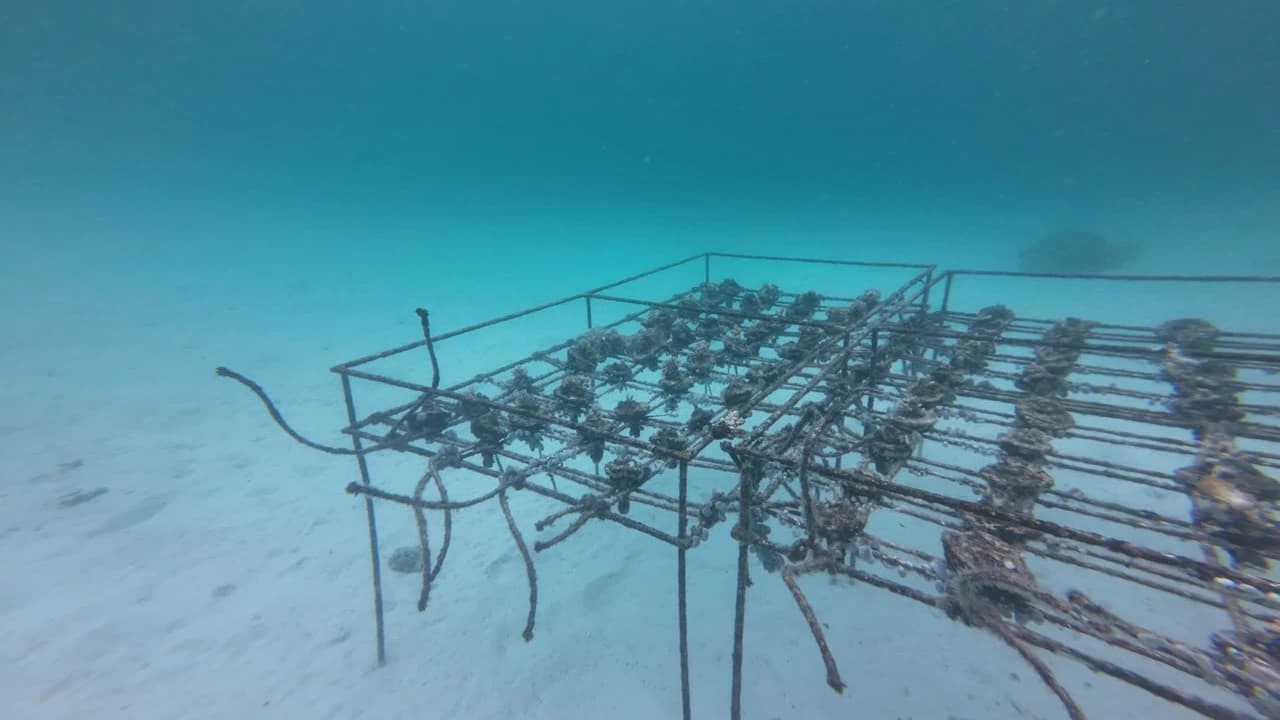
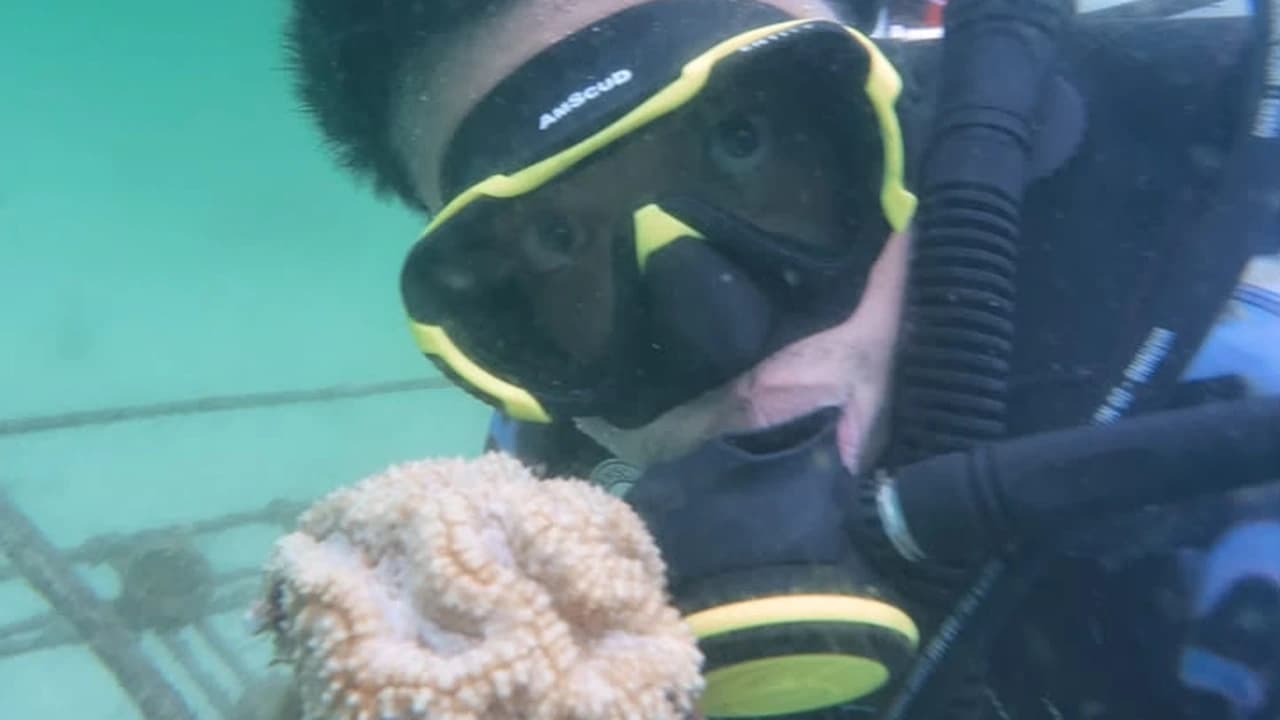
Ecosystem recovery requires combining active protection of healthy reef remnants, tourism zoning, mooring buoy installations to eliminate anchor drops, marine debris cleanups, and targeted substrate restoration in suitable damaged sectors. The root causes of degradation must be addressed before introducing new structures or coral fragments.
A targeted strategy preserves ecological integrity while sustaining local livelihoods. Marine tourism relies on underwater ecosystem vibrancy, and that quality can only be preserved through clear site guidelines, visitor education, and multi-year scientific monitoring.
- Repeat photographic transects at identical waypoints across comparable seasonal windows.
- Map healthy core zones, stressed buffer areas, and localized disturbance points.
- Engage local dive operators and coastal residents in active protection and incident reporting.
- Utilize monitoring evidence to guide restoration site selection, rather than the reverse.
Frequently asked questions
What is the Underwater Photo Transect (UPT) method?
UPT is a scientific underwater survey methodology that records photographic samples along transect lines to calculate the precise percentage cover of live coral, algae, sand, rubble, and other benthic organisms.
Does 31.4% coral cover mean the reef is severely degraded?
No. Under standard Indonesian marine science criteria, 31.4% is classified as "fair" (sedang). It signifies substantial living coral structure and ecological potential that urgently requires protective management to prevent further decline.
Why is reef fish monitoring equally important?
Fish communities reveal whether the physical coral framework continues to support critical ecological functions, including trophic food webs, grazing dynamics, and nursery shelter.
Information basis
This article is synthesized from Aceh Aquatic Youth program summaries and field data. Operational metrics reflect specific monitoring periods and scopes.
- Monitoring dataUPT Summary Report for Project Area A and Area B, Sabang
- MethodologyAAY Benthic Identification and Indicator Fish Survey Protocols
More conservation publications to explore

Turn ocean knowledge into lasting action.
Discover Aceh Aquatic Youth field initiatives and connect with us about responsible support, volunteering, research, or partnership opportunities.