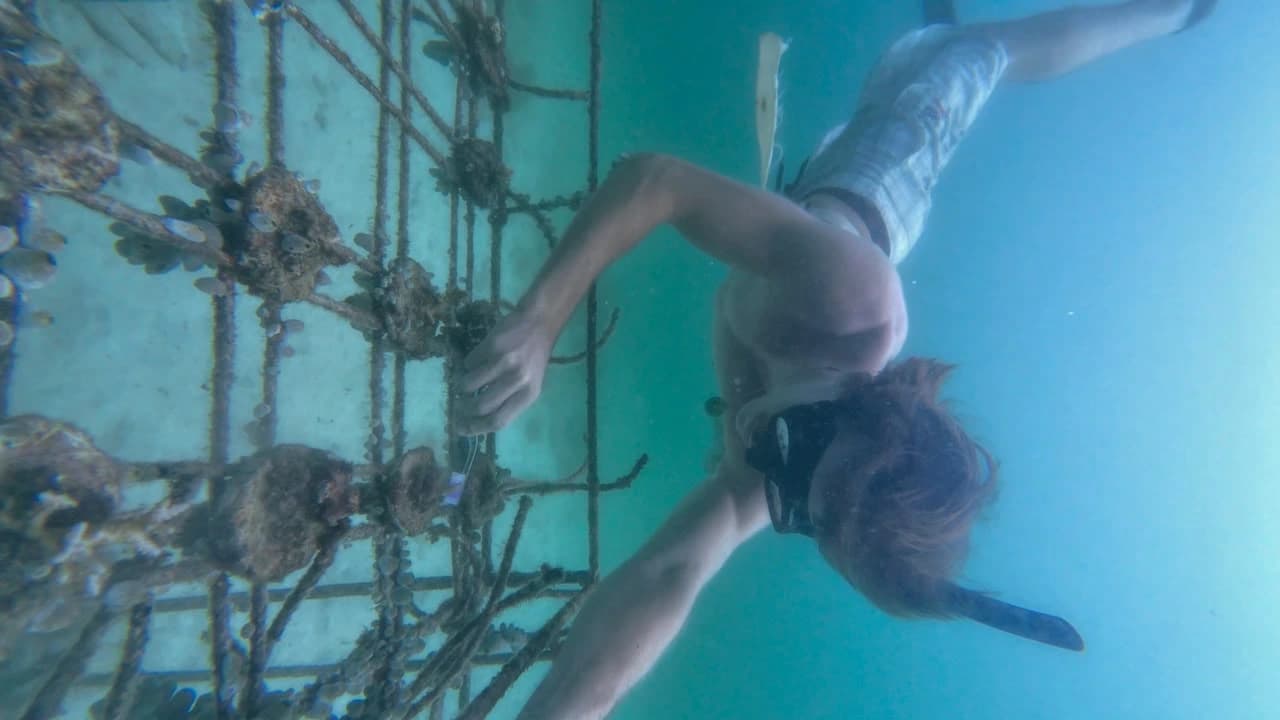
Volunteering for marine conservation means participating in an ongoing ecological process, not merely attending a single ceremonial event. Every planted fragment requires site preparation, secure mounting, routine cleanups, photo monitoring, and a team committed to returning to the water.
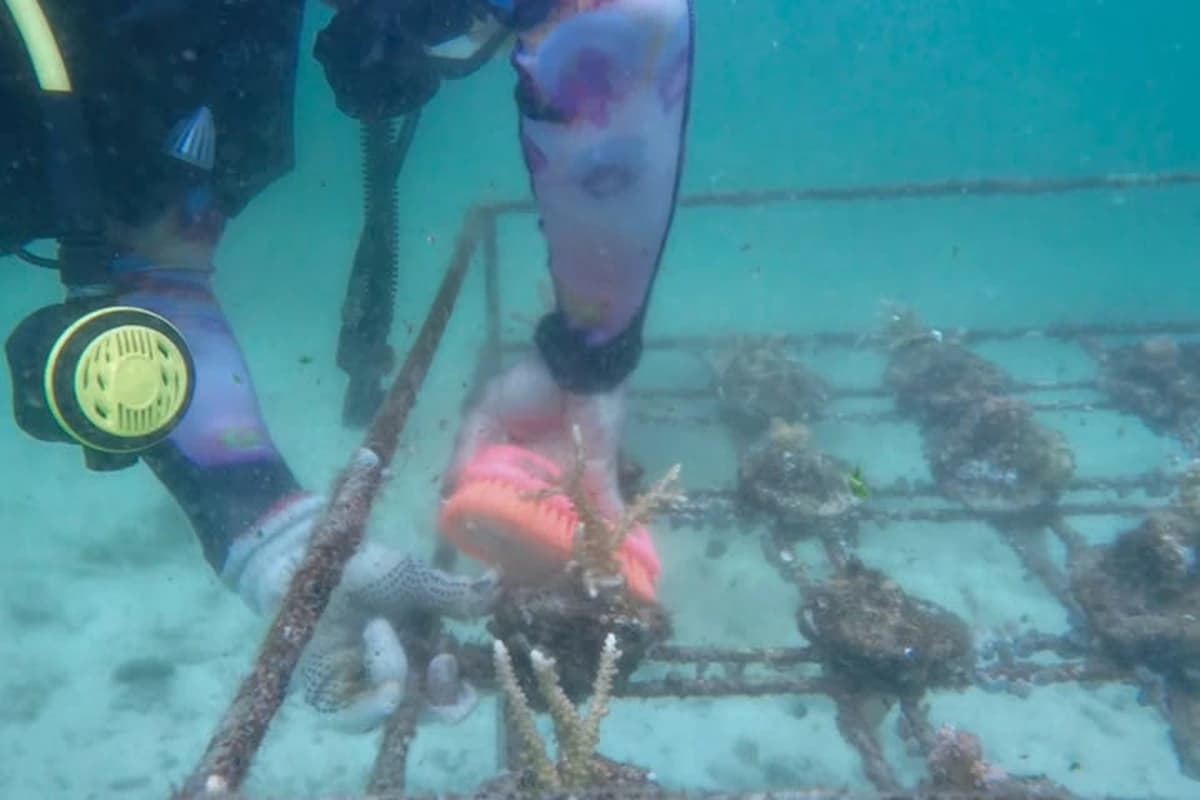
Understanding the Coral Adoption program
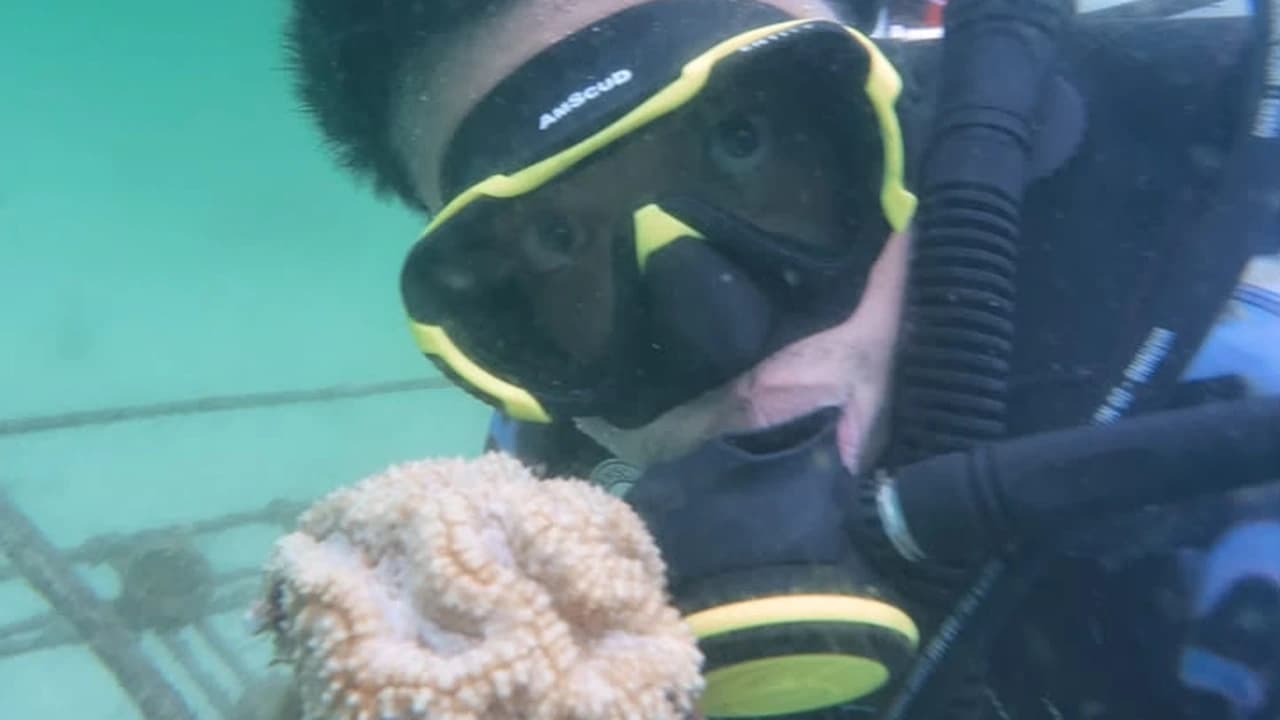
Coral Adoption offers a direct avenue for the public to support nursery propagation, post-planting maintenance, and ongoing scientific monitoring of coral fragments. Centered in the pristine waters of Sabang, Aceh, volunteer activities are carefully scheduled around sea conditions, seasonal currents, and field supervisory capacities.
Adoption is not personal ownership of marine life. Rather, volunteer sponsorship and hands-on effort fund and execute shared stewardship—giving each coral fragment a secure substrate, unique scientific tagging, routine health checks, and long-term protective monitoring.
The volunteer participation journey
Prospective volunteers begin by connecting with AAY to share their backgrounds, time availability, dive certifications (if any), and areas of personal interest. Our coordinators then match participants with meaningful roles adhering strictly to marine safety protocols.
- Orientation on local reef ecology, restoration ethics, and site-specific goals.
- Comprehensive safety briefing, role allocation, and dive gear inspection.
- Shore-based logistics: tag preparation, substrate assembly, data logging, and photography.
- In-water operations calibrated to diver certification levels, experience, and divemaster supervision.
- Data entry and progress updates integrated into periodic monitoring reports.
You don’t have to scuba dive to make an impact
Effective ocean conservation depends on diverse skill sets far beyond the water. Volunteers contribute crucially in scientific data management, underwater and drone photography, educational outreach, digital storytelling, logistics coordination, equipment maintenance, and coastal cleanups.
Broadening volunteer roles makes conservation inclusive while upholding strict safety standards. In-water activities are strictly governed by diver certifications, medical fitness, logging experience, dive plan limits, and direct supervisor clearance.
Come to learn, leave with lasting stewardship
Responsible volunteers look beyond quick underwater photo opportunities. They recognize that corals can face mortality, substrates can be dislodged by heavy swells, and techniques must be iteratively refined. An honest appreciation of field realities builds genuine conservation credibility.
Following field days, volunteers sustain their impact through accurate community education, monitoring support, or applying their professional expertise to organizational growth. Long-term dedication creates far greater conservation value than one-time visits without follow-through.
Frequently asked questions
Do I need a scuba diving certification to volunteer?
Not for all roles! While underwater restoration requires verified scuba certification and adequate buoyancy skills, vital roles in documentation, educational outreach, scientific data entry, shore logistics, and campaign management do not require diving.
Does Coral Adoption mean I legally own the coral?
No. Adoption is a model of conservation sponsorship and shared stewardship that directly finances nursery care and scientific monitoring, not private property ownership of marine wildlife.
How do I register as a volunteer?
Reach out to Aceh Aquatic Youth through our official contact channels. Outline your background, skills, availability, and dive experience so our team can guide you to the right opportunity.
Information basis
This article is synthesized from Aceh Aquatic Youth program summaries and field data. Operational metrics reflect specific monitoring periods and scopes.
- AAY ProgramCoral Adoption Participation Guidelines in Sabang
- Safety protocolsField Operations Briefing and Volunteer Risk Management Standards
More conservation publications to explore
Turn ocean knowledge into lasting action.
Discover Aceh Aquatic Youth field initiatives and connect with us about responsible support, volunteering, research, or partnership opportunities.