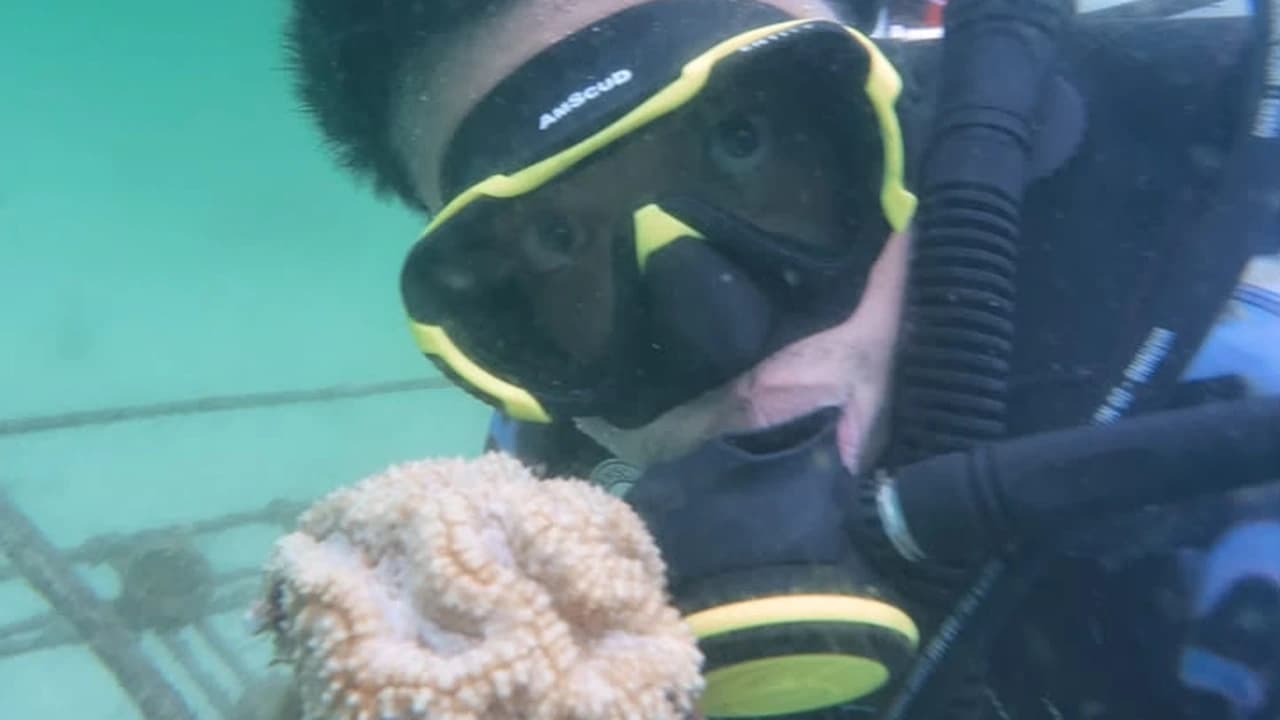
Coral reef transplantation is a restoration technique involving the relocation of healthy coral fragments from donor colonies, fragments of opportunity, or coral nurseries onto artificial substrates or degraded reef zones. It is an active intervention tool, never a substitute for ecosystem-wide marine protection.
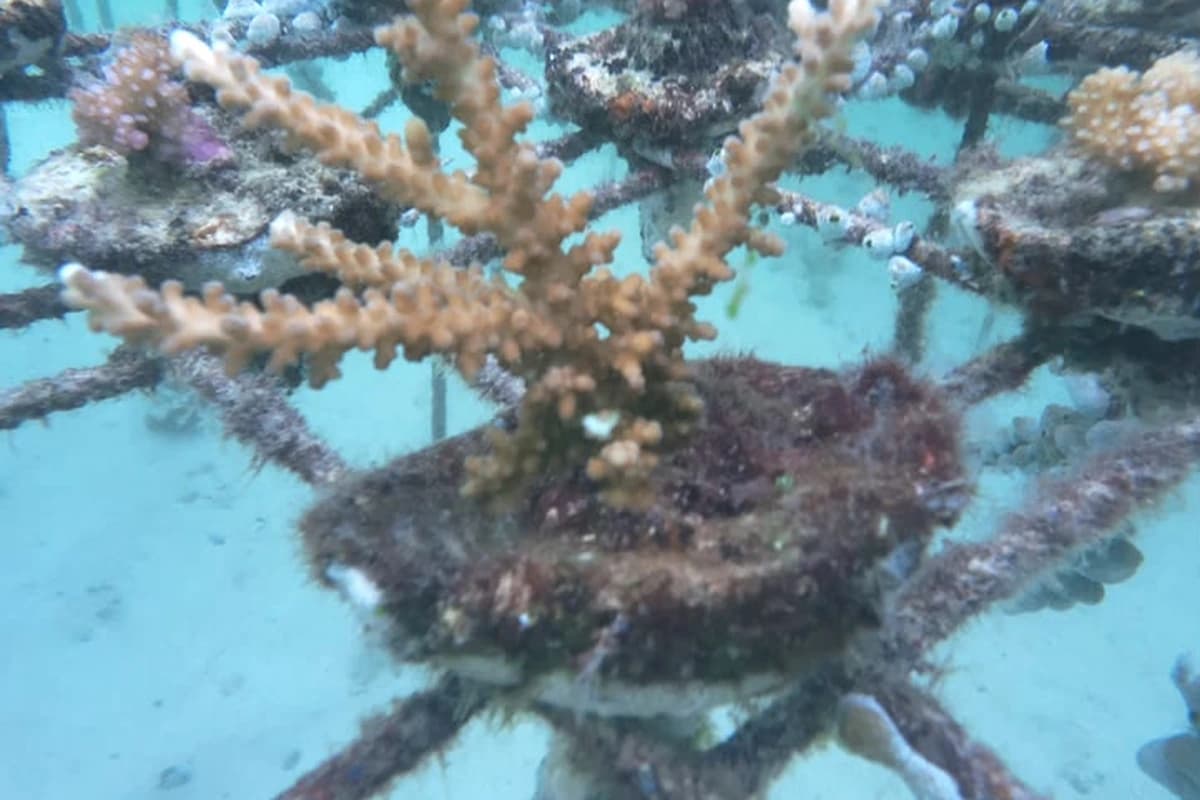
The core objectives of coral transplantation
Transplantation aims to accelerate colony establishment in degraded zones, enhance juvenile fragment survival rates, and restore three-dimensional habitat complexity. As transplanted colonies expand, their structural branches and crevices recreate vital shelter, foraging grounds, and spawning habitats for marine organisms.
The technique yields maximum ecological benefit when chronic environmental pressures have been curtailed. If heavy sedimentation, anchor damage, untreated runoff, or physical destruction persist, newly outplanted fragments will inevitably suffer the same fate as the original reef.
Step-by-step: from single fragment to thriving colony
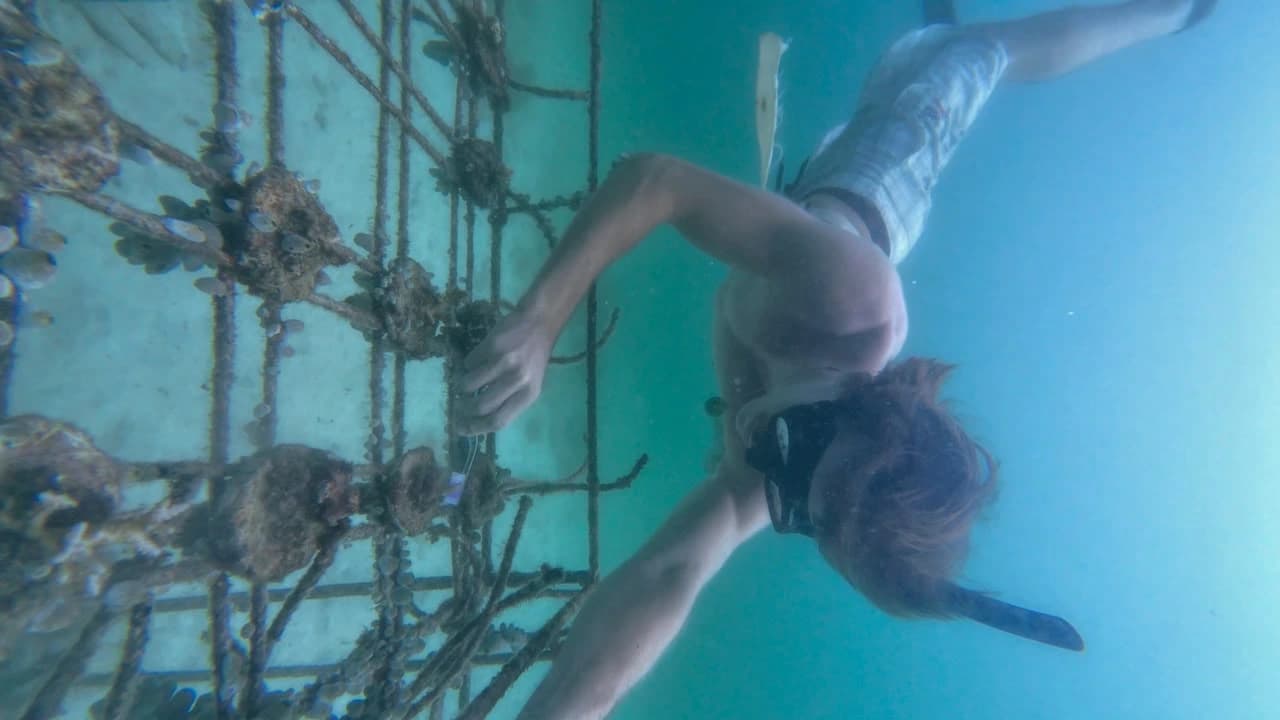
Field execution begins with thorough environmental assessments and method selection. Restoration teams then identify viable donor fragments, prepare substrate units, assign identification codes, and affix fragments securely without pinching or abrading delicate living polyps.
- Select restoration sites based on current flow, sunlight penetration, depth, substrate firmness, and absence of chronic disturbances.
- Prioritize "fragments of opportunity" (naturally broken fragments) or harvest minimal donor clippings under marine biologist supervision.
- Utilize non-toxic, eco-compatible adhesives, clips, or ties that remain secure in marine currents.
- Record species identification, initial colony dimensions, tagging codes, and spatial coordinates.
- Implement scheduled maintenance and survival monitoring at standardized intervals.
Substrates must match hydrodynamic and seafloor conditions
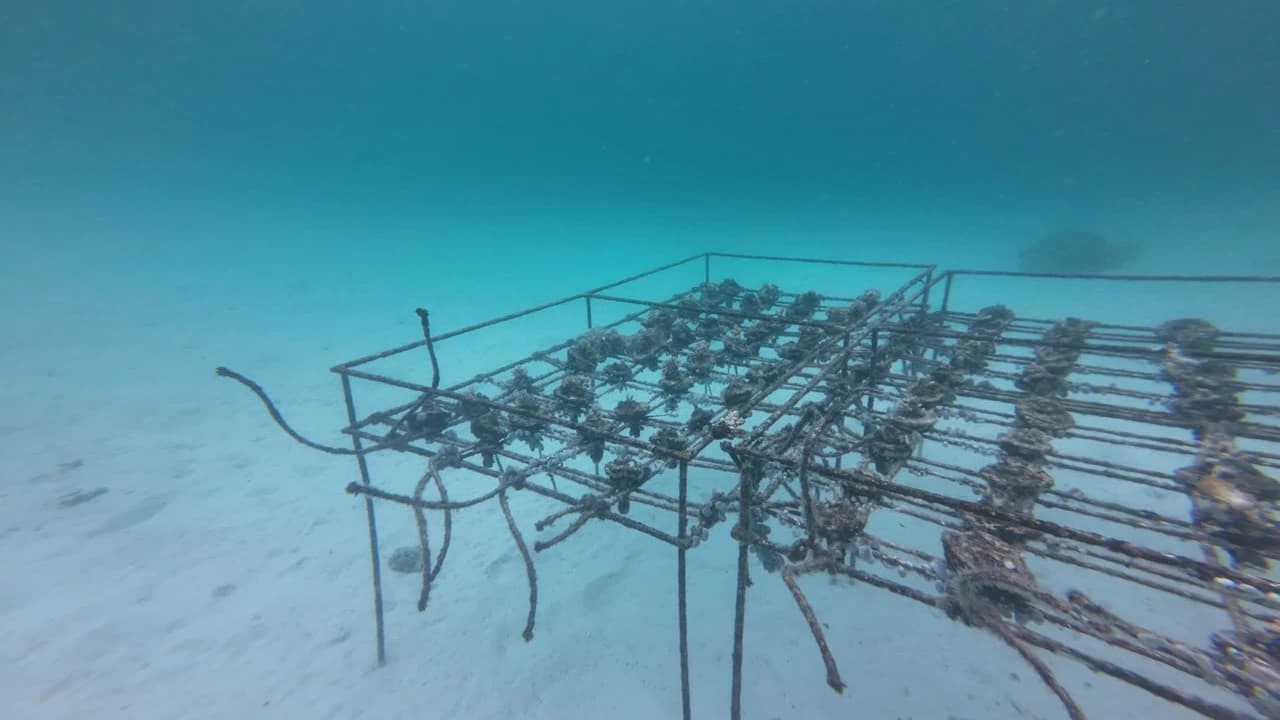
Restoration media range from PVC frames and coated steel spider units to specialized concrete substrates and floating mid-water lines. No single design is universally optimal. Benthic seafloor structures offer physical stability, while hanging nursery lines exploit unobstructed water flow and light in the mid-water column.
Material selection must weigh structural durability, chemical inertness, ease of diver maintenance, risk of detachment in storms, and aesthetic compatibility with the natural seascape. A structure that looks impressive in shallow calm waters may quickly fail under deep swells or surging currents.
Monitoring determines whether methods warrant scaling
Primary biological metrics include survival percentages, linear calcification rates, bleaching incidence, disease signs, mechanical breakage, substrate stability, and biofouling buildup. Repeat photography taken from fixed angles and distances enables researchers to document subtle structural developments over time.
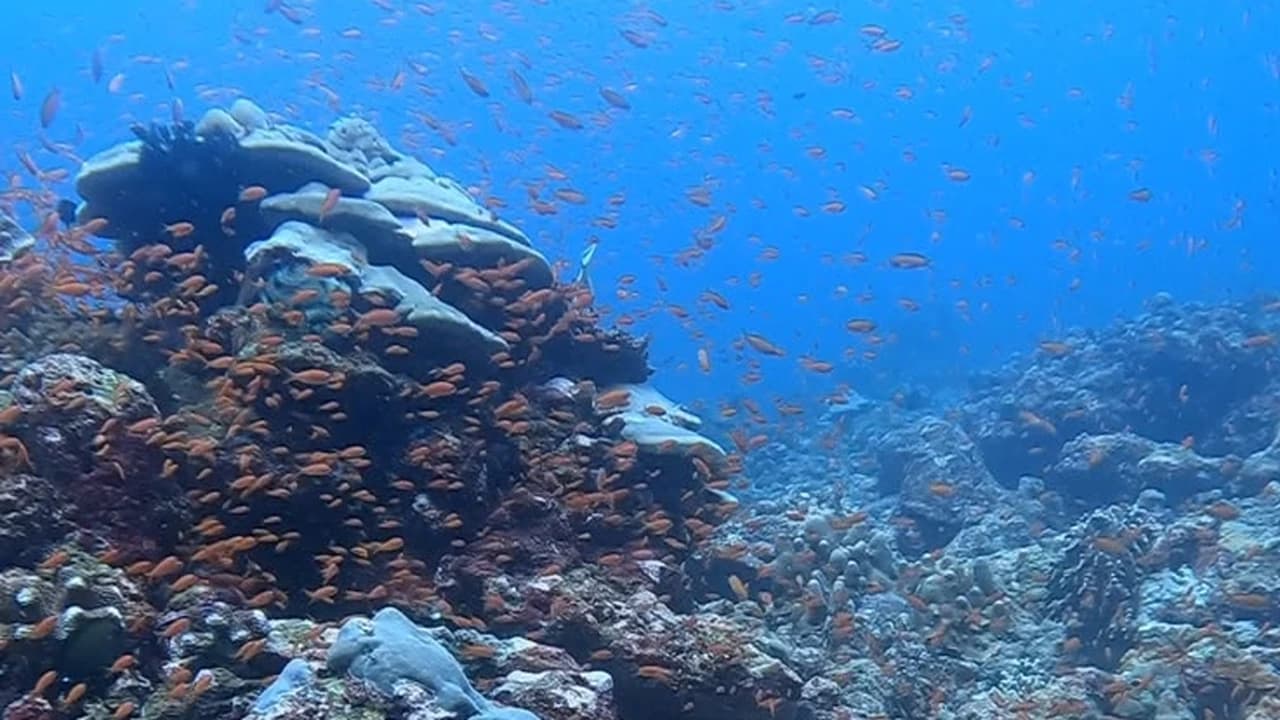
Ecological recovery is also judged by broader community recruitment. The reappearance of grazing herbivores, natural larval settlement on artificial substrates, and expanded fish biomass signify true ecosystem restoration, which unfolds over years rather than months.
Frequently asked questions
Are fragments harvested directly from wild healthy corals?
Whenever possible, field teams prioritize "fragments of opportunity"—pieces naturally broken off by wave action. When donor colonies are pruned, small clippings are taken responsibly under scientific oversight to ensure donor colony survival.
How fast do transplanted coral fragments grow?
Growth rates vary widely by genus, sea temperatures, water quality, and methodology. Fast-growing branching Acropora can grow 10–15 cm per year, whereas massive Porites grow only 1–2 cm annually. Meaningful ecosystem recovery takes multiple years.
Can coral transplantation fix all degraded reefs?
No. Transplantation is only effective in carefully selected locations where the root causes of coral death (such as pollution, blast fishing, or overheating) have subsided, supported by long-term maintenance and monitoring.
Information basis
This article is synthesized from Aceh Aquatic Youth program summaries and field data. Operational metrics reflect specific monitoring periods and scopes.
- Field practiceAAY Nursery, Transplantation, Maintenance, and Monitoring Cycle
- EducationCoral Reef Restoration Methods and Volunteer Field Handbook
More conservation publications to explore
Turn ocean knowledge into lasting action.
Discover Aceh Aquatic Youth field initiatives and connect with us about responsible support, volunteering, research, or partnership opportunities.