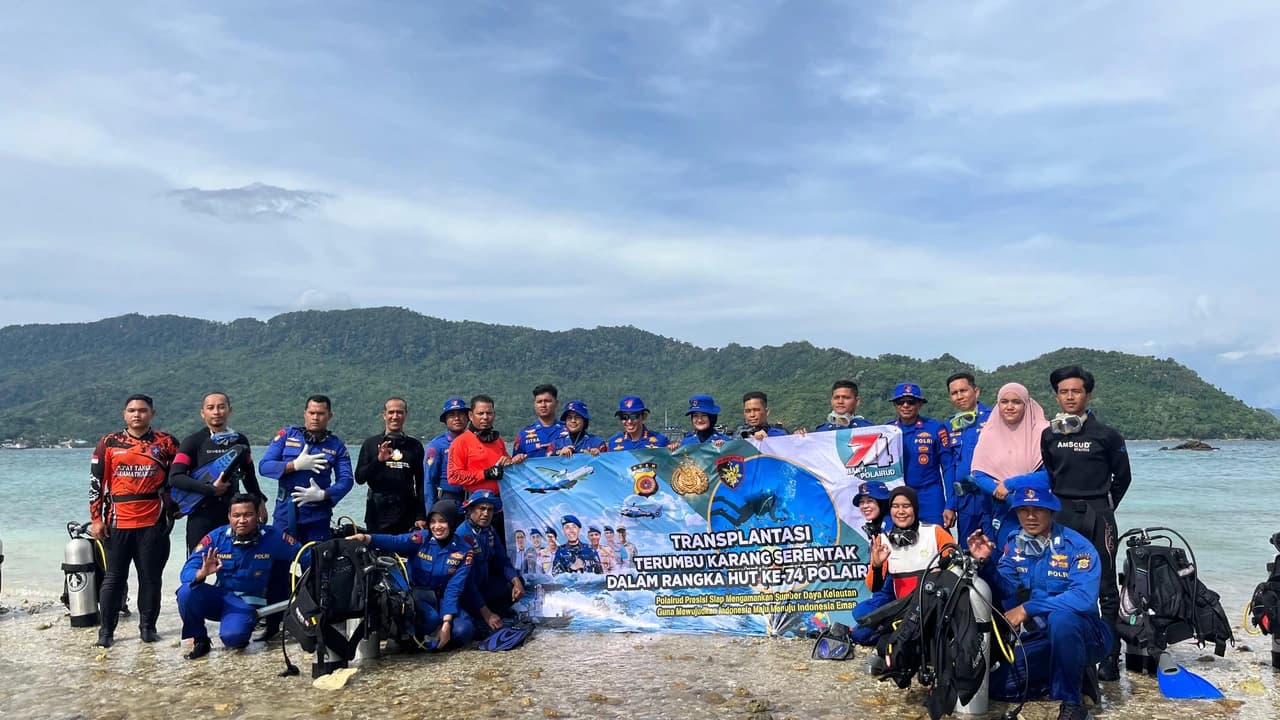
Restoring marine ecosystems demands timeframes far exceeding typical annual corporate campaign cycles. Aceh Aquatic Youth actively cultivates institutional alliances across environmental funds, academic institutions, state enterprises, and grassroots communities to ensure field interventions are properly maintained and scientifically evaluated over the long haul.
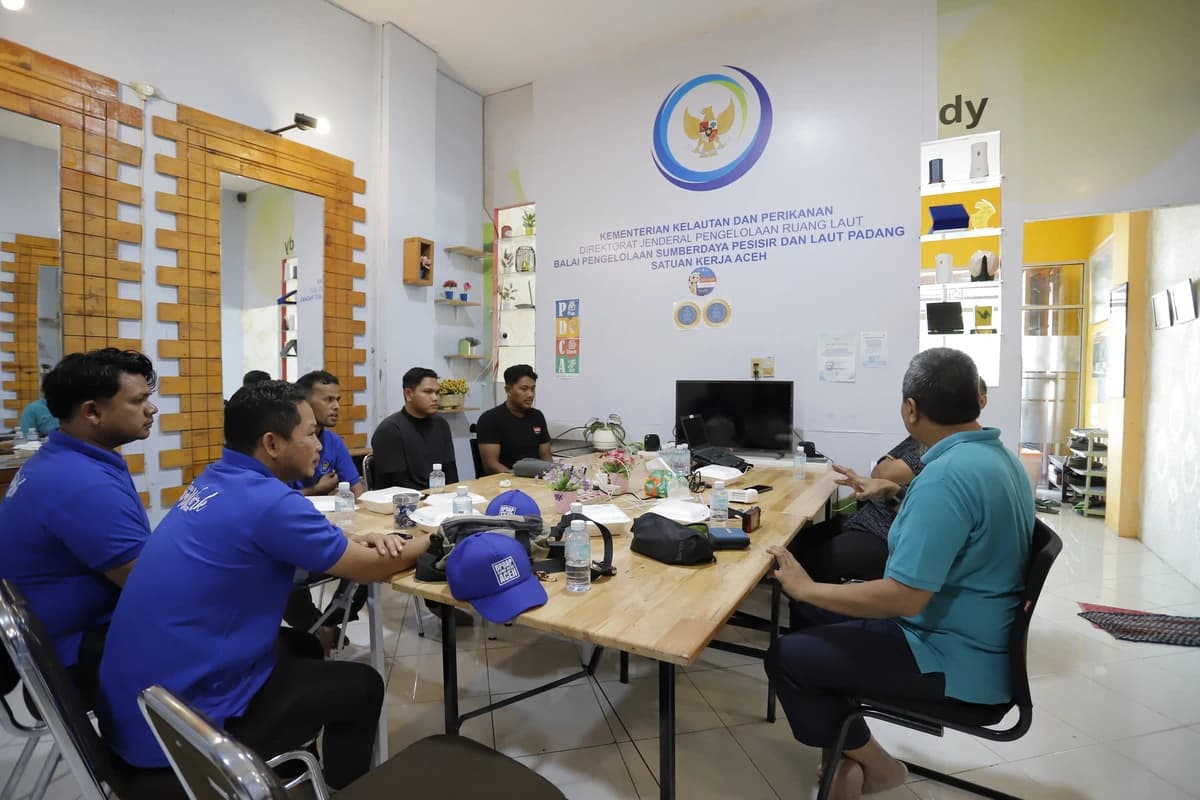
Why marine restoration requires enduring partnerships
Coral and mangrove restoration programs require specialized equipment, marine logistics, certified scientific divers, government permits, local ecological knowledge, long-term monitoring, and reliable operational funding. No single organization possesses all these capacities in isolation.
Strategic partnerships distribute responsibilities by comparative advantage: grant agencies ensure financial longevity, academic institutions provide rigorous scientific methodologies, local foundations build community trust, and corporations align CSR resources with tangible, verified ecological needs.
Strategic alliances powering AAY initiatives
Our collaborative network includes the Environmental Fund Management Agency (BPDLH), PT Pelabuhan Indonesia (PELINDO) through their 2026 TJSL/CSR initiatives, Universitas Syiah Kuala (USK) for marine research, and the LAMBJABAT Foundation for grassroots field execution.
Each institutional relationship contributes distinct value: BPDLH provides public environmental financing mechanisms, PELINDO provides corporate sustainability sponsorship, USK contributes marine science expertise, and community foundations ensure local legitimacy and community engagement.
What makes a marine CSR program credible?
A credible CSR program features rigorous baseline surveys, measurable ecological targets, transparent role division, funded maintenance budgets, diver safety protocols, and structured reporting milestones. Planting targets must be paired with survival rates, growth data, habitat surveys, and community participation metrics.
Public communications must remain grounded and authentic. Impact claims should reflect verified post-planting monitoring results rather than the sheer number of photo attendees on event day. Transparent disclosure of field challenges and methodological adaptations builds genuine stakeholder trust.
- Ground site selection and problem definitions in verified baseline surveys.
- Fund initial installation alongside multi-year maintenance and scientific monitoring.
- Involve academic scientists, local government agencies, and customary coastal leaders (Panglima Laot).
- Establish clear agreements on data ownership, photo documentation, and publication protocols.
- Publish transparent reports covering ecological metrics, social engagement, and operational lessons.
Collaboration pathways with Aceh Aquatic Youth
Prospective partners can begin discussions by outlining their environmental or social objectives, target geographic areas, proposed timelines, budget parameters, and desired employee or research engagement. This helps AAY tailor collaborative scopes that reinforce ongoing field priorities.
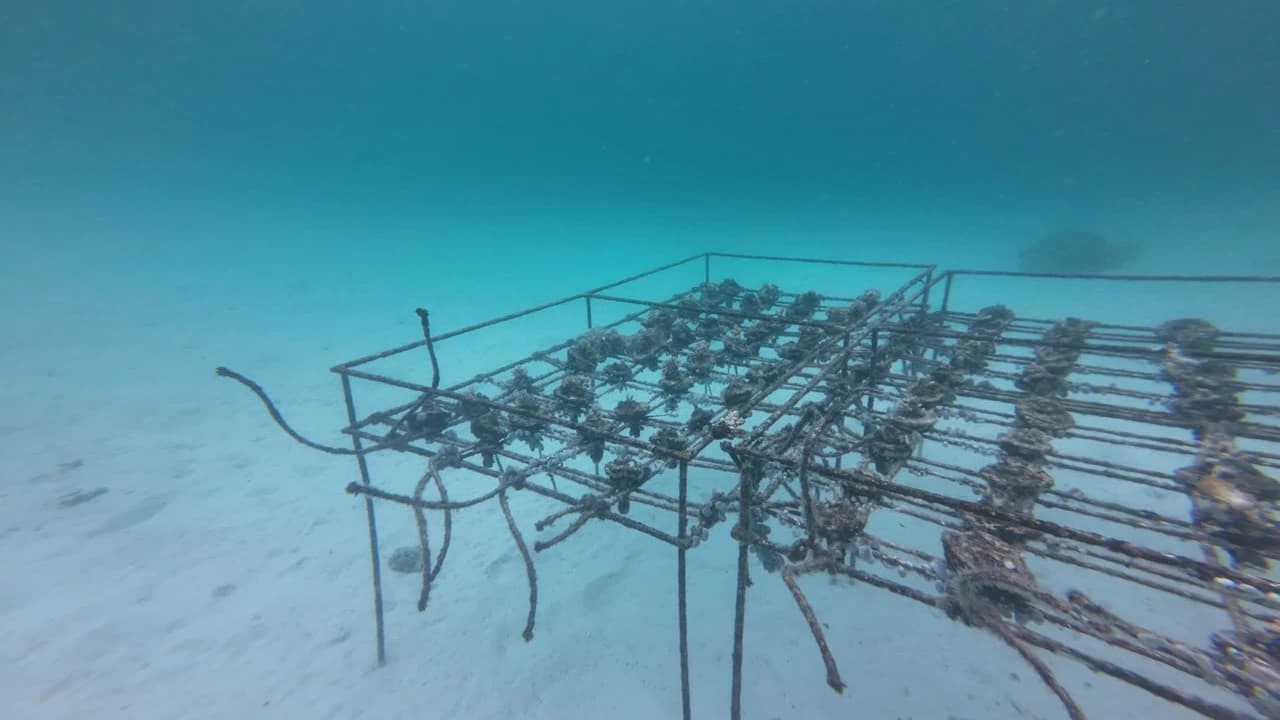
Collaboration opportunities encompass coral nursery expansion, the one-hectare Gapang Beach restoration project, UPT benthic monitoring, mangrove belt restoration, Coral Adoption programs, coastal youth leadership academies, equipment sponsorship, and substrate material research.
Frequently asked questions
What partnership formats are possible with AAY?
We welcome program co-funding, joint scientific research, equipment sponsorship, longitudinal monitoring support, youth education workshops, corporate volunteer days, and organizational capacity building.
Does AAY accommodate single-day corporate CSR events?
Single-day field experiences can be accommodated, but only when embedded within a comprehensive multi-month program that funds prior site preparation, seedling/fragment procurement, follow-up maintenance, and transparent monitoring.
What data should be included in partner CSR reports?
Comprehensive reports provide baseline photos and coordinates, planting unit tallies, expenditure breakdowns, verified survival rates, coral growth rates, benthic habitat assessments, community involvement logs, and operational risk reviews.
Information basis
This article is synthesized from Aceh Aquatic Youth program summaries and field data. Operational metrics reflect specific monitoring periods and scopes.
- Program networkBPDLH, PELINDO 2026 CSR, Universitas Syiah Kuala, and LAMBJABAT Foundation
- Collaboration frameworkAAY Research, Restoration, Monitoring, and Educational Priorities
More conservation publications to explore
Turn ocean knowledge into lasting action.
Discover Aceh Aquatic Youth field initiatives and connect with us about responsible support, volunteering, research, or partnership opportunities.