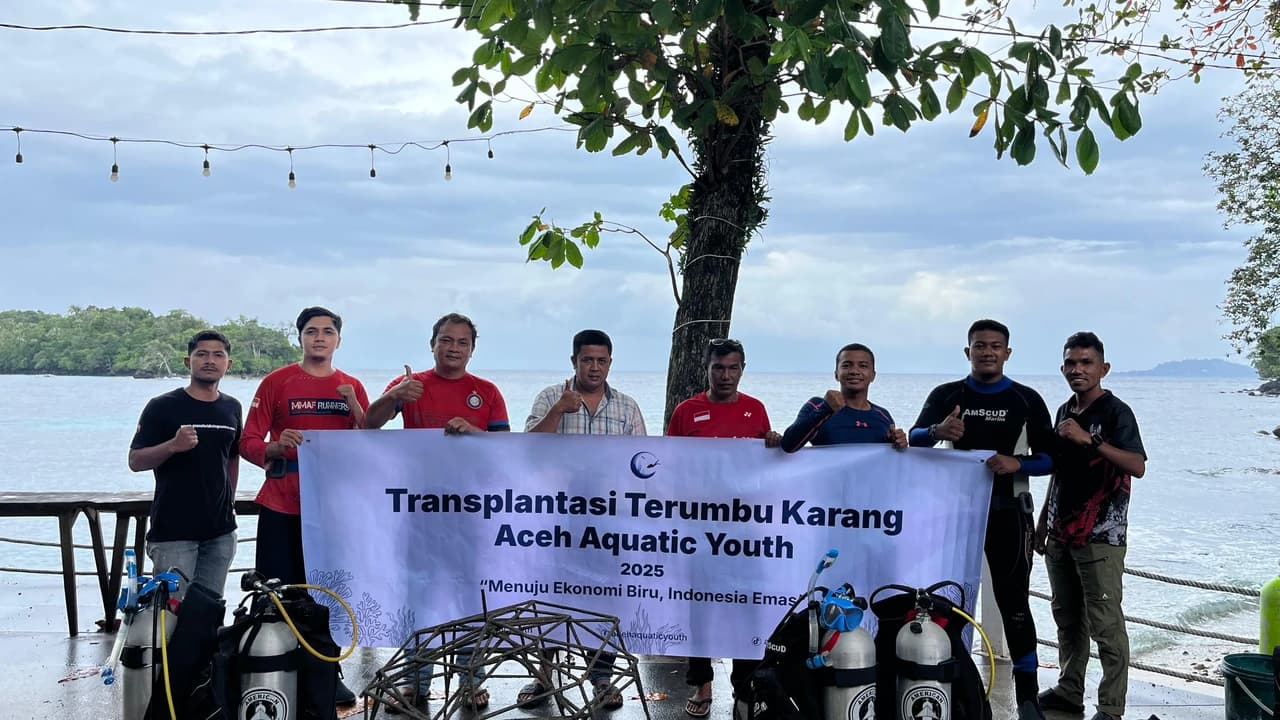
Impact reporting helps conservation organizations transition from anecdotal project updates to transparent public accountability. For the 2024–2026 period, Aceh Aquatic Youth compiles our field planting tallies, in-situ nursery methodologies, substrate innovations, and funding composition.
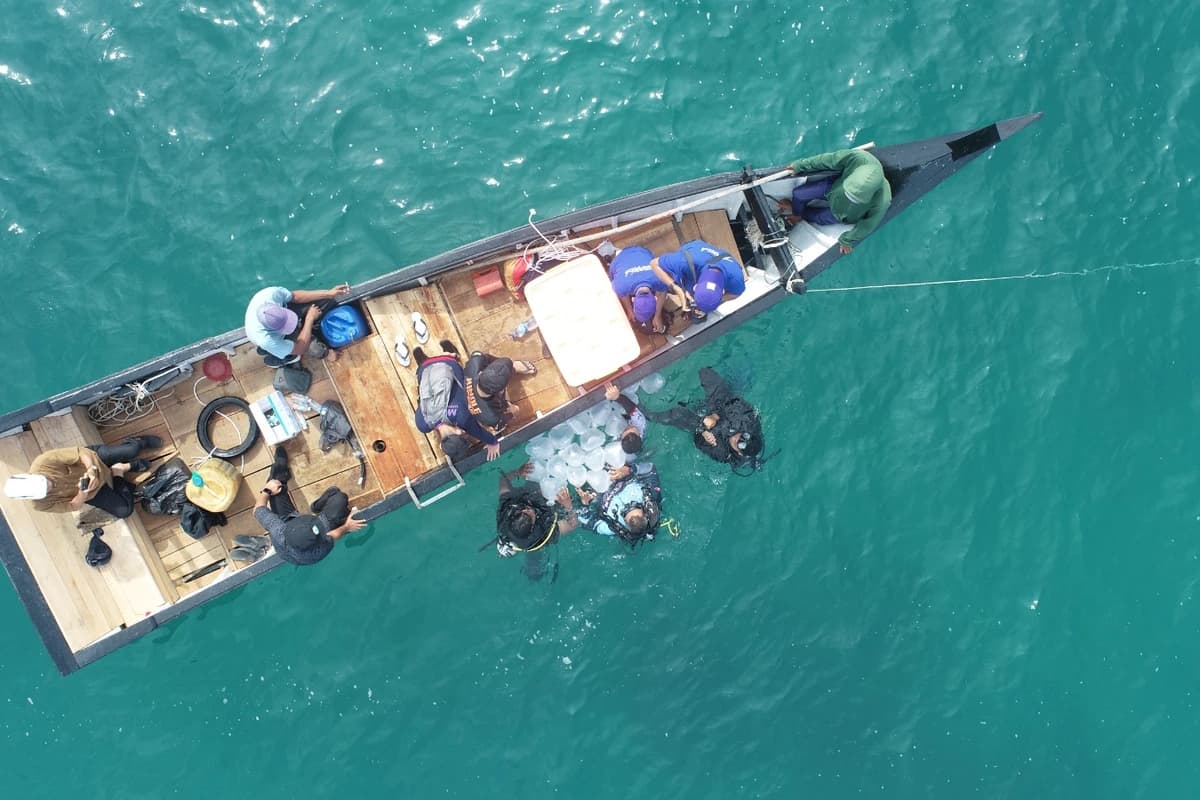
2,036 coral fragments logged across operational programs
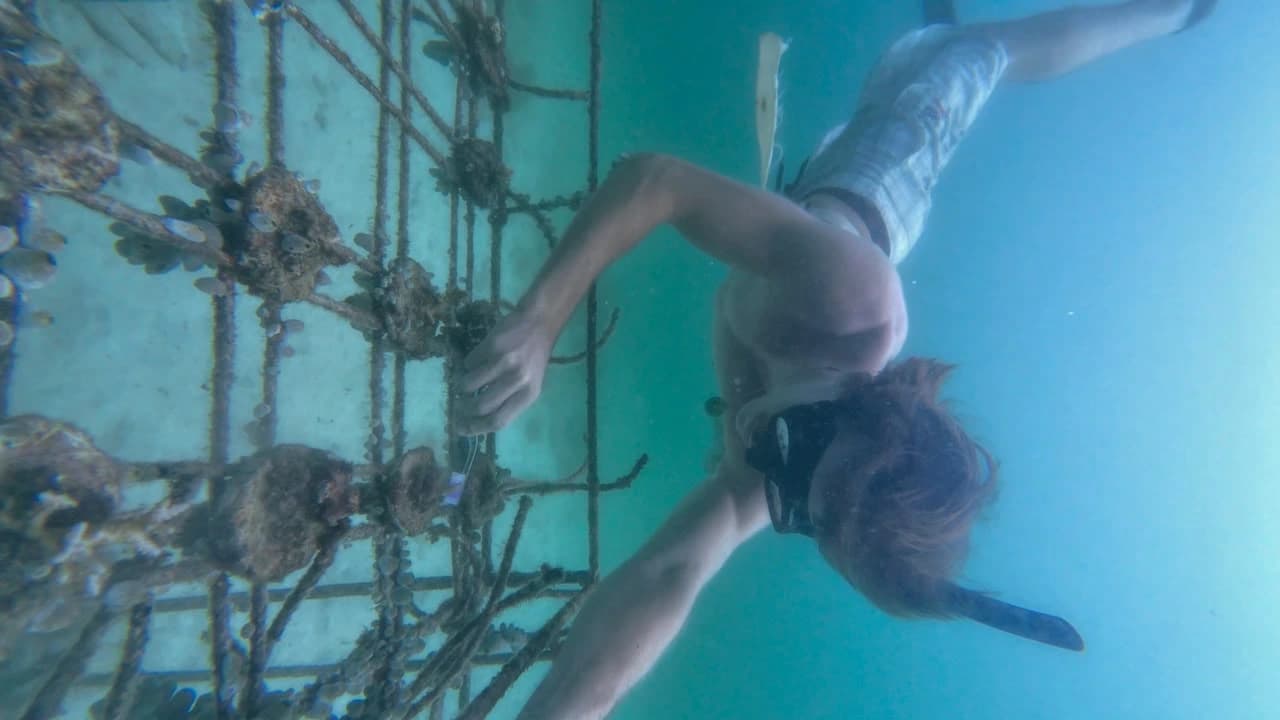
Across designated restoration initiatives during this period, AAY logged the planting of 2,036 coral fragments across table racks, hanging rope lines, PVC pipe grids, and cast concrete substrates. Utilizing multiple methods enabled our technical team to evaluate deployment logistics, physical stability, maintenance demands, and fragment responses under diverse ocean conditions.
This 2,036 count must be read within the specific scope of this operational dataset. AAY public communications also highlight a cumulative historical footprint exceeding 3,000 fragments across broader sites and partner activities. Variations reflect reporting cutoff dates, distinct geographic boundaries, and project criteria; our final consolidated annual reports provide precise methodology notes.
Four in-situ approaches, unified by disciplined monitoring
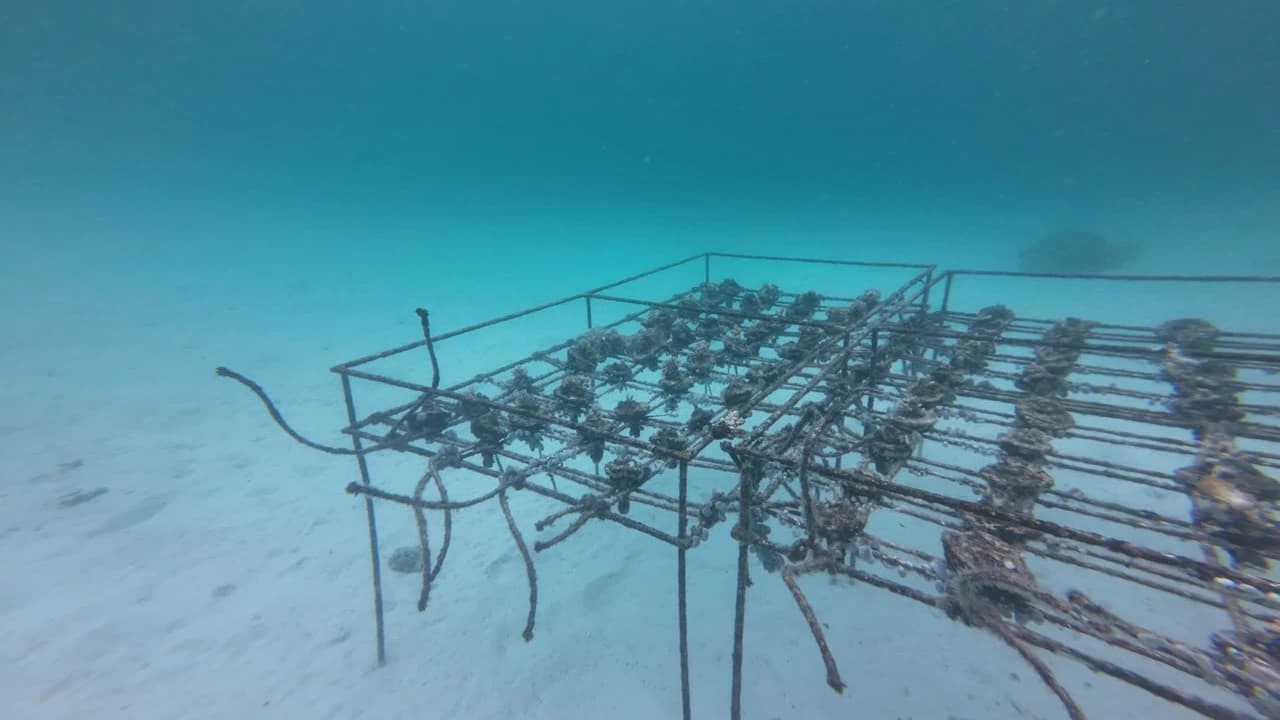
Table racks and modular PVC grids provide organized seafloor staging platforms for close observation. Hanging racks suspend fragments within the nutrient-rich water column, while custom concrete substrates supply heavy, wave-resistant bases suited for high-energy zones.
Comparing methods requires looking far beyond initial deployment tallies. Cost-per-fragment, diver work hours, biofouling rates, fastener degradation, and long-term survival metrics must all be tracked so future expansion decisions rest on solid empirical evidence.
Analysis of program funding sources
Our organizational budget combines contributions from philanthropic foundations, UN and multilateral agencies, government initiatives, and academic partnerships. In 2024, philanthropic support formed the dominant funding stream at 57.1%. By 2025, public agency and UN grant allocations expanded to represent 50% of operating capital.
This evolving profile underscores the importance of a diversified financial foundation. Philanthropic grants provide catalytic flexibility, institutional funding enables operational scale and policy alignment, and universities provide scientific validation and technical rigor. Each stream requires clear deliverables and responsible reporting.
| Year | Dominant Reported Funding Stream | Proportion |
|---|---|---|
| 2024 | Philanthropy / Private Grants | 57.1% |
| 2025 | UN / Government Programs | 50.0% |
| 2026 | Program Collaboration & Corporate CSR | Under final consolidation |
Frequently asked questions
Why does the 2,036 count differ from the 3,000+ total fragments figure?
The figures reflect different reporting parameters: 2,036 fragments represent the specific structured operational dataset for 2024–2026, while 3,000+ encompasses cumulative multi-site and collaborative activities since our founding.
What are Coral Cookies?
Coral Cookies are circular, eco-friendly concrete substrate plugs (~5 cm diameter) developed by AAY, cured for 14 days to stabilize pH, designed for rapid fragment mounting and monitoring.
Is this impact summary an audited financial audit statement?
No. This article is a programmatic impact and operational funding overview based on internal field records, designed for donor and partner transparency.
Information basis
This article is synthesized from Aceh Aquatic Youth program summaries and field data. Operational metrics reflect specific monitoring periods and scopes.
- Impact metricsAAY 2024-2026 Coral Restoration Operational Recap
- Funding analysisProgram Revenue and Resource Composition Summary (2024-2025)
- Substrate researchCoral Cookies Development Specifications and Curing Protocols
More conservation publications to explore
Turn ocean knowledge into lasting action.
Discover Aceh Aquatic Youth field initiatives and connect with us about responsible support, volunteering, research, or partnership opportunities.